The Avian Gallery
Silkie Chickens
Downy clouds of porcelain
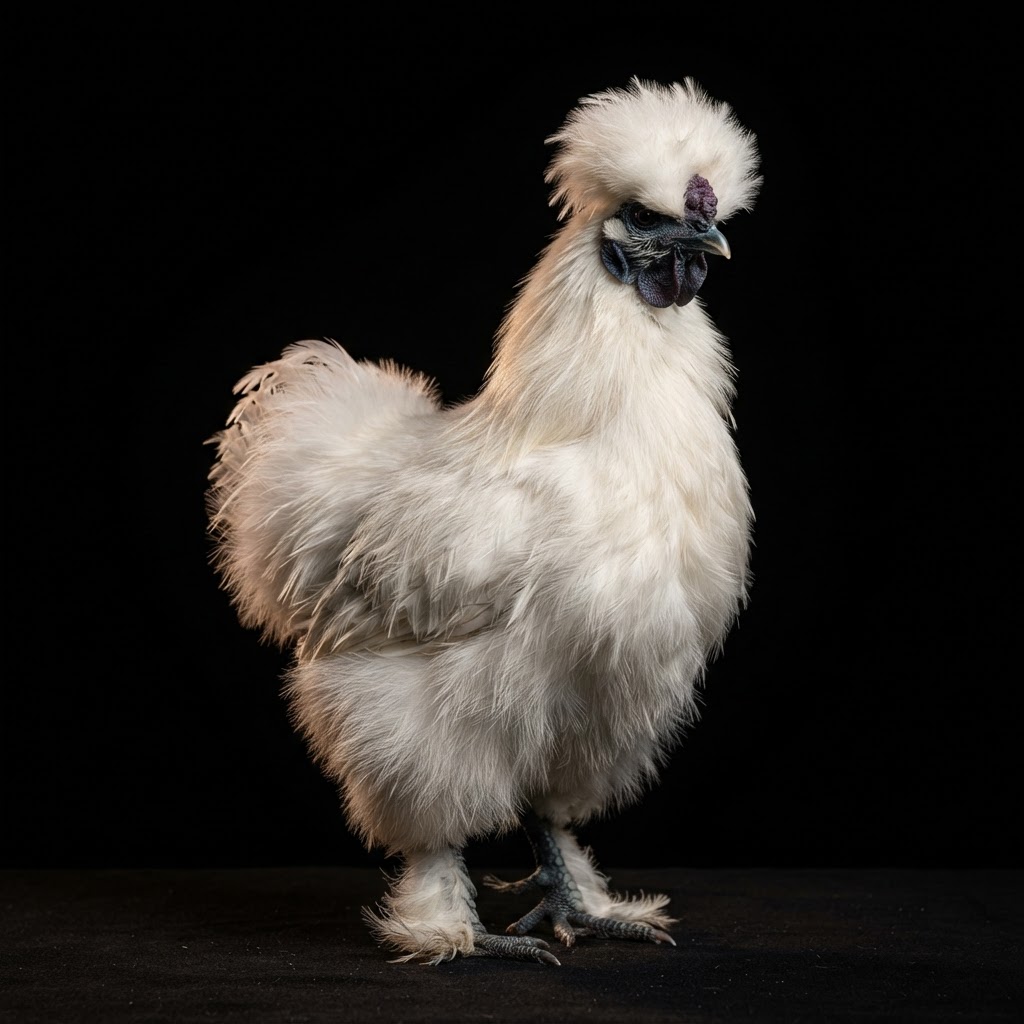
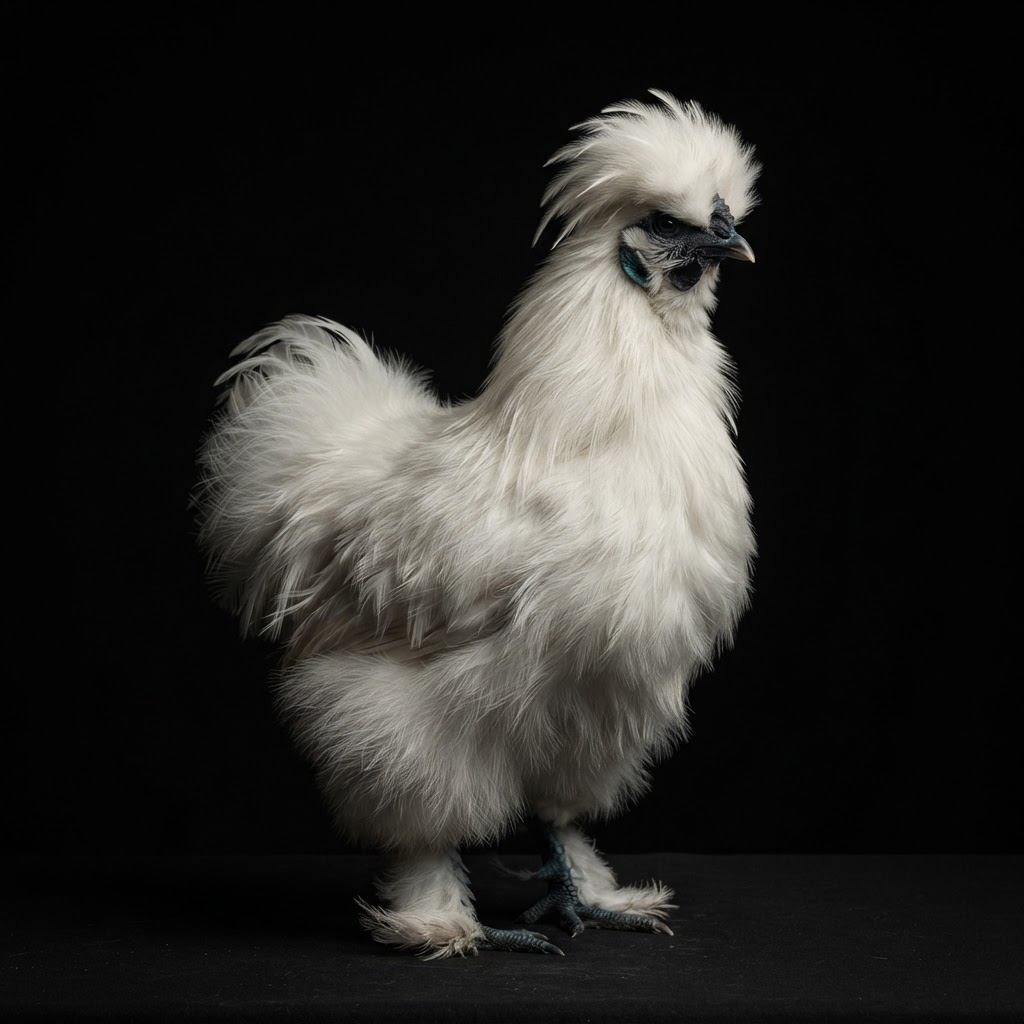
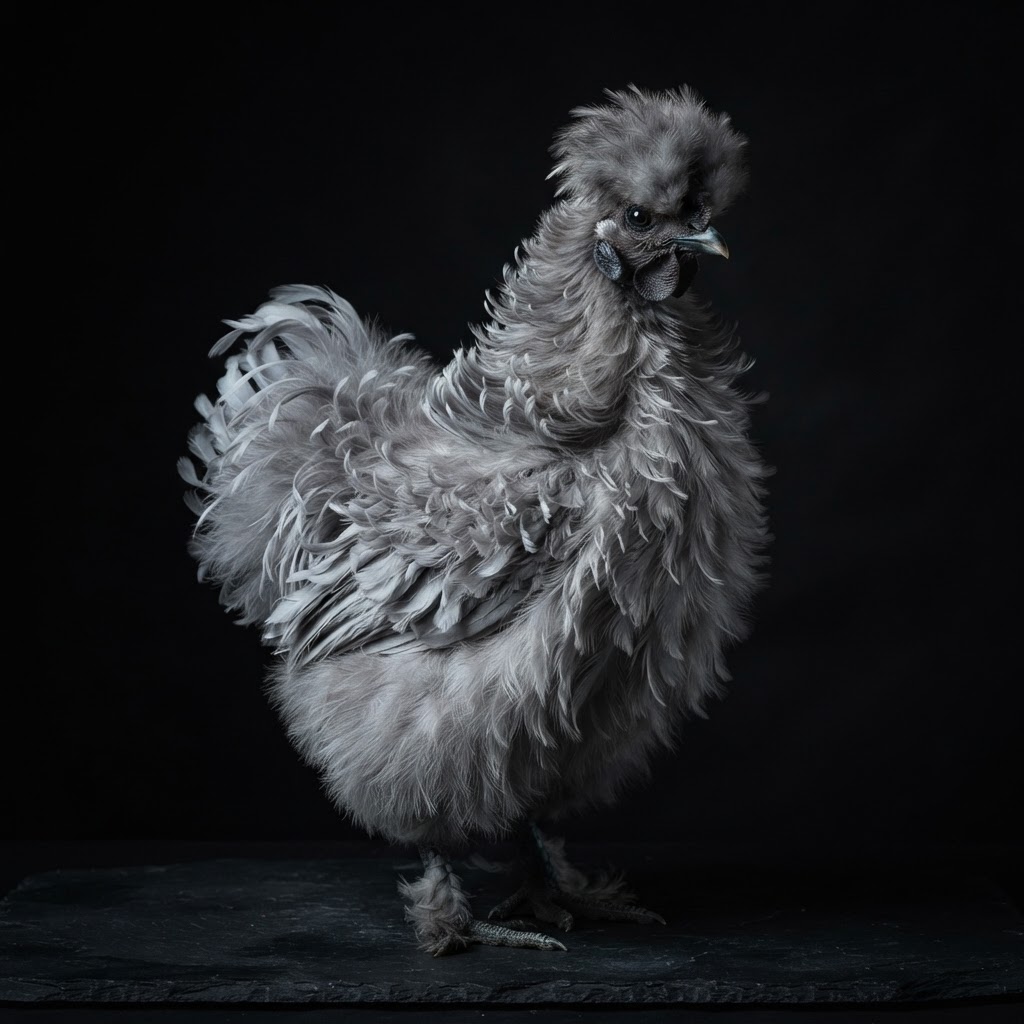
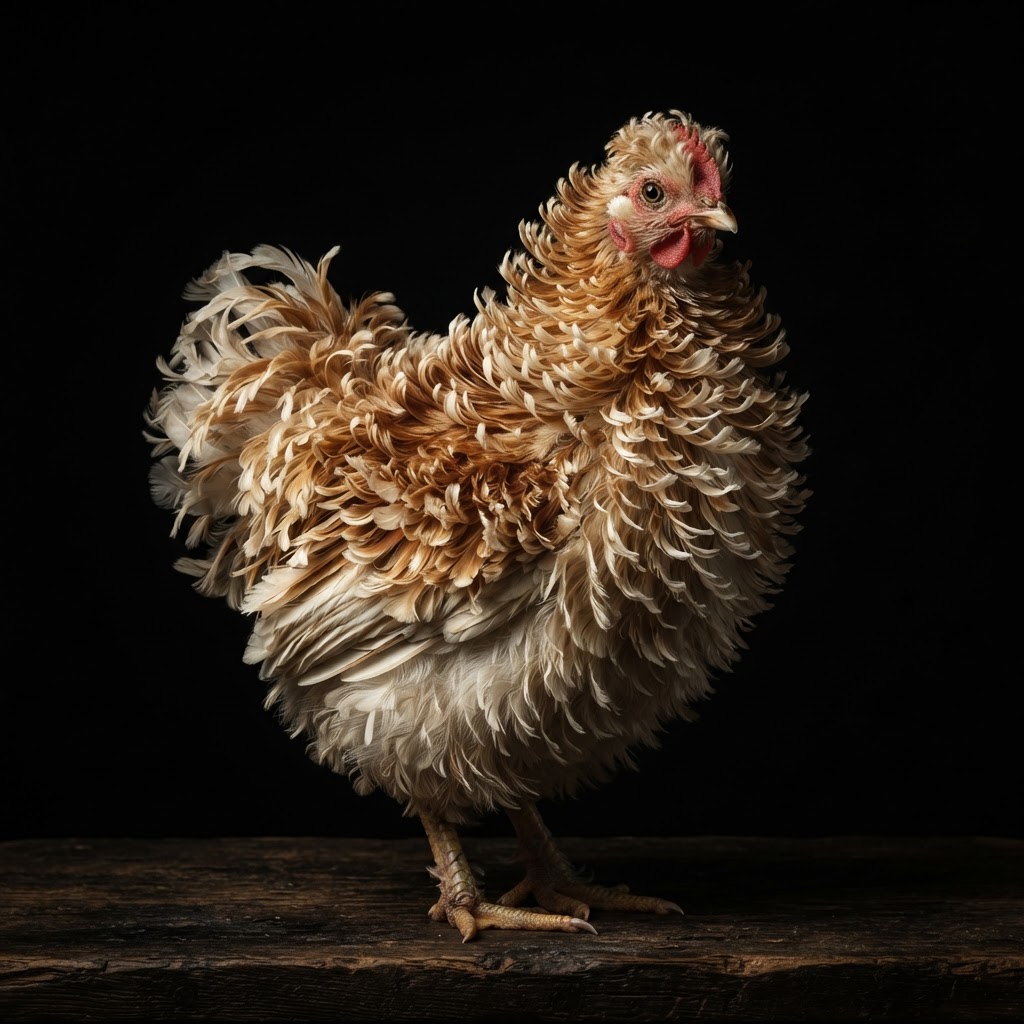
Cloaked in fur-like feathering and crowned with a regal crest, the Silkie feels more mythological than agricultural. Dark skin and a velvet touch make each one a tactile marvel. Silkie chickens originated in ancient Asia, with the most well-documented point of origin being ancient China (specifically regions like the Jiangxi Province) dating back as early as 200 BCE during the Han Dynasty. Other Southeast Asian locations like India and Java have also been suggested, but China remains the primary historical source.
- Fur-like plumage
- Dark skin & crest
- Calm, ornamental
Varieties
Timeline of Silkie History
| 200 BCE | Early records and traditional Chinese texts note the presence of black-boned, fluffy chickens used for food and medicine. |
| 13th Century | Venetian explorer Marco Polo provided the earliest surviving Western written account of a "furry" or wool-like chicken during his travels through Asia. |
| 1598 | Italian naturalist Ulisse Aldrovandi published a comprehensive description of "wool-bearing chickens" in Europe. |
| 1874 | The breed made its way West via trade routes and was officially recognized by the American Poultry Association in its Standard of Perfection. |
Officially Recognized APA Colors
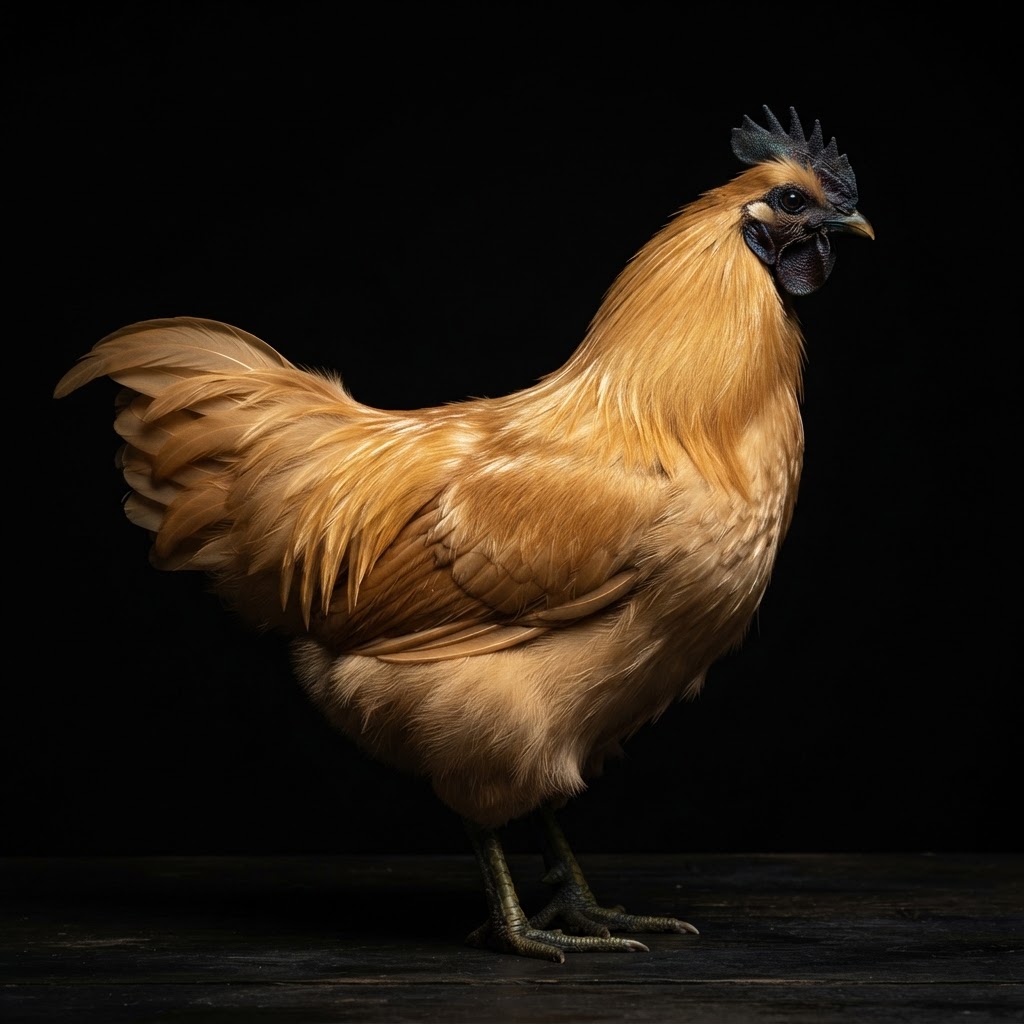
The American Poultry Association (APA) officially recognizes eight approved color varieties for Silkie chickens. These recognized colors are split between the two recognized classes: Bearded and Non-Bearded.
Officially accepted into the APA Standard of Perfection include:
Common Non-Approved Colors
There are many beautiful, popular Silkie colors frequently bred by enthusiasts that are not currently accepted by the APA for standard show classes. These include:
- PaintApproved by the American Bantam Association (ABA), but not yet by the APA
- Cuckoo
- Red
- Chocolate
Additionally, any of these Silkies can have a "Showgirl" or naked neck.
Price List
| Chicks (under 2 weeks) | $25–$35 |
| Older chicks | $40–$75 |
| Sexed pullet | $85 |
| Rare colors & breeder birds | up to $400 |
Current availability: from newly hatched chicks to pullets and cockerels.
Photo Album
Request Acquisition
Begin a considered conversation
Acquisition is limited and reviewed case by case. Share your interest below and we will respond when a suitable pairing becomes available.